
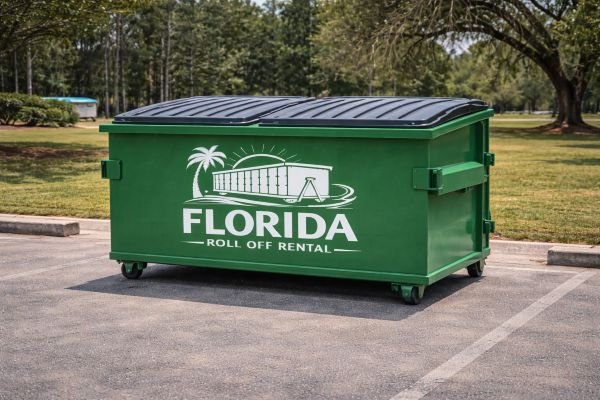
Construction projects generate large volumes of debris, and managing that waste efficiently is critical to keeping your job site safe and on schedule. Whether you’re a contractor, builder, or property owner, understanding best practices for renting a construction dumpster can help you avoid delays, reduce costs, and streamline cleanup when using construction dumpster rental services in Florida.
This guide covers essential construction dumpster rental tips to help you plan smarter and get the most value from your rental.
Choose the Right Dumpster Size from the Start
One of the most common mistakes on construction projects is underestimating waste volume. Ordering a dumpster that’s too small can lead to overflow, downtime, or the need for additional rentals.
Consider the full scope of your project, including demolition, packaging materials, and unexpected debris. When in doubt, sizing up is often more cost-effective than ordering multiple dumpsters.
Understand Weight Limits for Construction Debris
Construction materials such as concrete, brick, roofing shingles, and drywall are heavy. Each dumpster has a weight limit, and exceeding it can result in additional fees.
To avoid this:
- Load debris evenly throughout the dumpster
- Avoid stacking heavy materials in one area
- Confirm weight limits before delivery
Understanding weight restrictions upfront helps prevent surprises at pickup.
Plan Dumpster Placement Carefully
Proper placement is critical for efficiency and safety. Choose a location that allows easy access for workers while avoiding obstructions such as entrances, sidewalks, or fire lanes.
Before delivery:
- Clear the placement area
- Ensure adequate space for delivery trucks
- Protect surfaces if placing on asphalt or concrete
If the dumpster must be placed on a public street, check local permit requirements in advance—especially on active job sites like dumpster rental projects in Tampa.
Schedule Delivery and Pickup Strategically
Timing matters on construction sites. Schedule dumpster delivery early enough to avoid debris piling up, but not so early that it sits unused.
Similarly, plan pickup around key project milestones. Coordinating delivery and removal with your construction phases keeps the site organized and reduces downtime.
Separate Materials When Possible
Separating debris types can improve efficiency and reduce disposal costs. Some materials may be recyclable or require special handling.
Common separations include:
- Clean wood
- Metal
- Concrete
- General construction debris
Discuss material separation options with your dumpster rental provider to see what’s feasible.
Know What Materials Are Prohibited
Not all materials are allowed in construction dumpsters. Items commonly prohibited include hazardous waste, chemicals, batteries, tires, and appliances containing refrigerants.
Disposing of prohibited items can lead to fines or service disruptions. Always confirm acceptable materials before loading.
Use the Dumpster Safely
Safety should always be a priority on construction sites. Keep debris within the dumpster walls and avoid overfilling. Overfilled dumpsters are unsafe to transport and may require unloading before pickup.
Encourage crew members to follow proper loading procedures and keep the area around the dumpster clear.
Communicate with Your Dumpster Rental Provider
Clear communication helps ensure smooth service. Keep your provider informed if:
- Your project timeline changes
- You need an early pickup or replacement
- You anticipate exceeding weight limits
A responsive provider can adjust service to match your project’s needs.
Budget for Dumpster Rentals in Advance
Dumpster rental is a predictable cost when planned properly. Factor it into your project budget early, considering size, duration, and debris type.
Requesting a detailed quote helps you account for all potential costs and avoid unexpected expenses by getting a construction dumpster quote in Florida.
Final Thoughts on Construction Dumpster Rentals
A well-planned construction dumpster rental keeps your job site organized, safe, and efficient. By choosing the right size, understanding weight limits, and coordinating delivery and pickup carefully, you can avoid common pitfalls and keep your project moving forward.
Whether you’re managing a small renovation or a large construction site, these tips help ensure your waste removal strategy supports—not slows down—your work.