
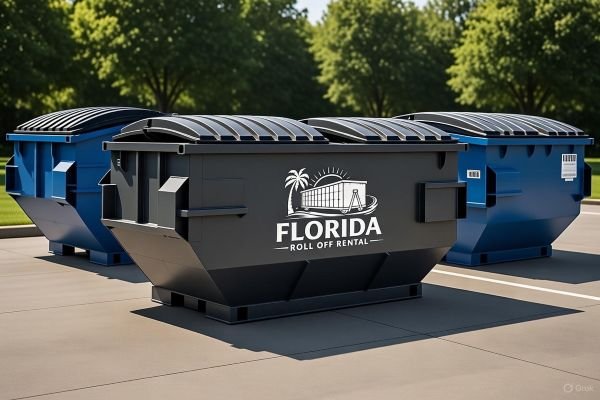
If you’re planning a cleanup, renovation, or construction project, one of the first decisions you’ll face is choosing between a residential dumpster and a commercial dumpster. While both serve the same basic purpose—waste removal—they are designed for different project types, waste volumes, and usage patterns.
Understanding the differences between residential vs commercial dumpsters helps you choose the right option, avoid unnecessary costs, and keep your project running smoothly when using dumpster rental services in Florida.
What Is a Residential Dumpster?
A residential dumpster is designed for household-level projects and short-term use. These dumpsters are commonly used by homeowners and are sized to fit comfortably in driveways or residential areas.
Residential dumpsters are typically used for:
- Home cleanouts and decluttering
- Remodeling and renovation projects
- Garage, attic, or basement cleanups
- Moving preparation or estate cleanouts
- Landscaping and yard debris removal
Because residential projects usually involve lighter materials and shorter timelines, these dumpsters are smaller and easier to place.
What Is a Commercial Dumpster?
Commercial dumpsters are built for higher waste volumes, heavier materials, and longer or recurring use. These dumpsters are commonly used by businesses, contractors, and property managers who need consistent waste management solutions.
Commercial dumpsters are often used for:
- Construction and demolition projects
- Commercial renovations and tenant improvements
- Retail and office cleanouts
- Apartment complexes and property management
- Ongoing business waste disposal
These dumpsters are larger, more durable, and designed to handle continuous or heavy use.
Key Differences Between Residential and Commercial Dumpsters
While both options serve important roles, there are several key differences to consider:
Dumpster Size & Capacity
Residential dumpsters are usually smaller, often ranging from 10 to 20 cubic yards. Commercial dumpsters commonly range from 20 to 40 cubic yards to accommodate larger volumes of waste.
Type of Debris
Residential dumpsters typically handle household junk, furniture, drywall, and yard waste. Commercial dumpsters often contain heavier debris such as construction materials, roofing shingles, and demolition waste.
Rental Duration
Residential rentals are often short-term, lasting a few days to a week. Commercial rentals may be long-term or recurring, depending on project needs.
Placement & Permits
Residential dumpsters are usually placed on private property and rarely require permits. Commercial dumpsters are more likely to be placed in public areas, where permits may be required—especially in cities like Miami dumpster rental locations.
Which Dumpster Is Right for Your Project?
Choosing between a residential and commercial dumpster depends on several factors:
Project Scope
Small home projects typically only require a residential dumpster. Large renovations or multi-unit projects often need a commercial dumpster.
Waste Volume
If your project will generate a steady flow of waste over time, a commercial dumpster is usually the better option.
Timeline
Short-term projects work well with residential dumpsters, while long-term or phased projects benefit from commercial rentals.
Location
Limited space in residential neighborhoods may restrict dumpster size, making residential options more practical.
Cost Differences to Consider
Residential dumpsters are generally more affordable due to smaller size and shorter rental periods. Commercial dumpsters cost more because they handle heavier materials, larger volumes, and longer rental durations.
Choosing the correct type upfront helps you avoid paying for capacity you don’t need—or renting multiple dumpsters due to insufficient space.
Common Mistakes to Avoid
Many renters make the mistake of choosing based solely on price. This can lead to issues such as:
- Overfilled dumpsters
- Weight limit violations
- Additional rental fees
- Project delays
Consulting with a dumpster rental professional helps ensure you select the right option the first time.
Final Thoughts: Residential vs Commercial Dumpster
Both residential and commercial dumpsters play important roles in waste management. The right choice depends on your project size, debris type, location, and timeline.
By understanding the differences and planning ahead, you can select a dumpster that keeps your project efficient, compliant, and cost-effective.
If you’re unsure which option fits your needs, you can request a dumpster rental quote in Florida and get expert guidance before scheduling delivery.